Cowboy Saloon Silhouette Line Art: A Designer's Review
There is a specific kind of charm that only the Wild West aesthetic can bring to a textile project. It evokes nostalgia, rugged individualism, and a timeless storytelling quality that resonates with customers across generations. As a designer who spends countless hours digitizing and stitching out various motifs, I am always on the lookout for graphics that translate well from a flat screen to a textured fabric surface. Recently, I had the opportunity to evaluate the Cowboy Saloon Silhouette Line Art for potential use in upcoming client projects. This isn't just a quick glance at a pretty picture; this is a deep dive into how this specific illustration performs when put under the needle.
The First Impression: Mood and Visual Personality
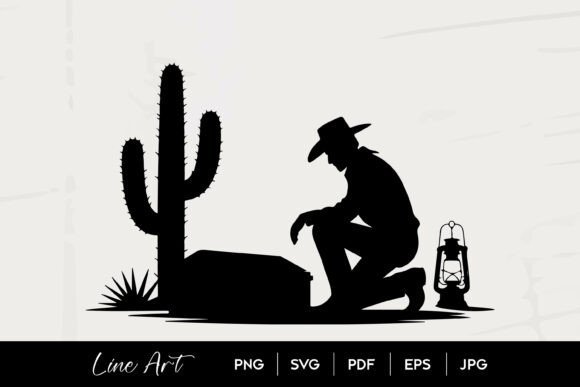
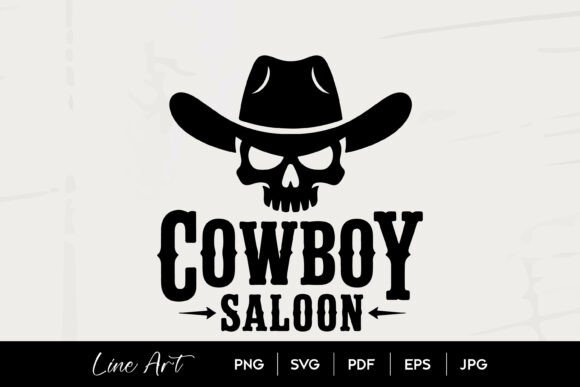
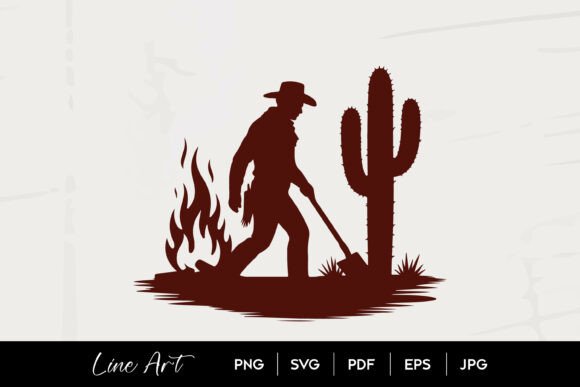
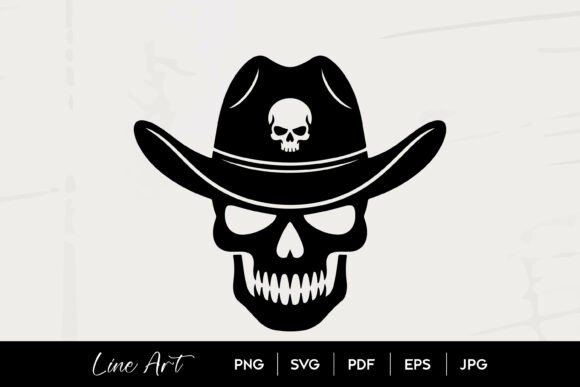
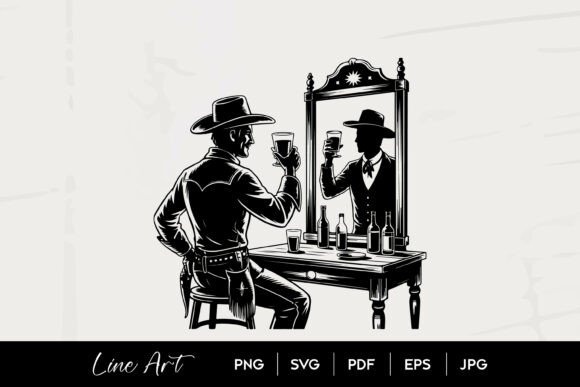
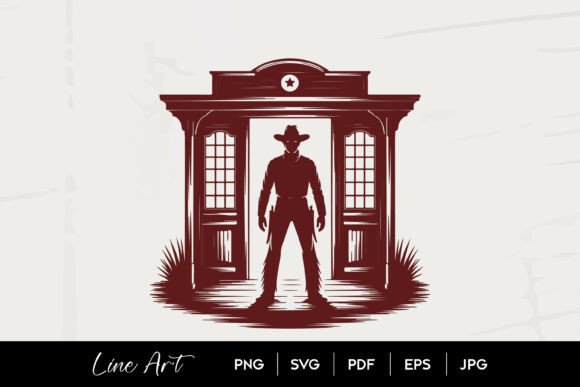
When I first pulled up the files for the Cowboy Saloon Silhouette Line Art, the immediate takeaway was its clean, decisive character. In the world of Illustrations and Graphics, line art can often be tricky. If the lines are too thin, they vanish in stitching; if they are too thick, the design loses its elegance. This particular silhouette strikes a solid balance. The shape of the saloon, complete with the iconic swinging doors and the suggestion of a western town backdrop, creates an instant narrative. It feels vintage without being cluttered.
The "outlaw" and "gunslinger" vibe is subtle but present, making it versatile. It doesn't scream "cartoon"; instead, it offers a sophisticated retro feel that fits perfectly with current trends in boutique branding and home decor. For an embroidery project, this visual personality is crucial. You want a design that tells a story even before a single thread is stitched, and this asset delivers that western atmosphere immediately.
Real-World Application: From Screen to Stitch
To truly understand the value of this design, I imagined a real-life scenario: a custom order for a local boutique specializing in rustic-chic apparel. The client wanted a series of custom apparel pieces, specifically heavy-weight cotton sweatshirts and canvas tote bags, targeting customers who love western heritage. The Cowboy Saloon Silhouette Line Art seemed like the perfect candidate for the center chest placement on a cream-colored sweatshirt.
In this context, the silhouette format works exceptionally well. Because it relies on shape rather than intricate internal shading, it allows the stitcher to play with thread colors creatively. I could envision using a deep charcoal or navy blue for a classic look, or perhaps a burnt orange to make it pop against a neutral background. The lack of complex gradients means the finished product will have a crisp, professional edge that appeals to buyers looking for high-quality handmade products.
Beyond apparel, this design shines as an embroidered patch. The bold outlines of the saloon doors and the roofline would hold up beautifully on a twill base, creating a durable accessory for hats or jackets. For Etsy sellers and small shop product creators, this versatility is gold. One design asset can become a pillow cover, a kitchen towel, or a holiday gift tag, maximizing the return on investment for your digital library.
Technical Considerations for Embroidery
While the aesthetic is strong, we must talk about the technical execution. Since the source files provided are vector and raster formats (SVG, PNG, EPS, JPG, PDF), this is technically a digital embroidery file source rather than a pre-digitized stitch file. This is a critical distinction for any serious craft business owner. You cannot simply load a PNG into your machine and expect magic. You will need to digitize this illustration into a proper machine embroidery design format compatible with your specific hardware.
When digitizing the Cowboy Saloon Silhouette Line Art, attention must be paid to stitch density. Silhouettes often tempt digitizers to use large fill areas. However, on stretchy fabrics or curved surfaces like caps, a dense fill can cause puckering. I recommend considering a combination of satin stitch for the borders to define the shape sharply and a lighter fill stitch or even a strategic running stitch pattern for the interior if you want to maintain the "line art" feel. This approach reduces bulk and ensures the design remains flexible on garments like baby clothes or soft tote bag design materials.
Another factor is the hoop size. While the design is scalable, shrinking it too much for a small pocket logo might cause the details of the saloon doors to merge. Always test the design on scrap fabric first. Check how the lines behave on textured fabrics versus smooth ones. If you are working with dark fabric, ensure your digitizing includes a proper underlay to prevent the background color from bleeding through the silhouette.
Maximizing Value and Customer Appeal
Using high-quality assets like the Cowboy Saloon Silhouette Line Art directly impacts your brand consistency and customer trust. When a buyer sees a clean, well-executed western motif on a personalized gift or a piece of commercial embroidery, they associate that quality with your shop. It elevates the perceived value of the item. Whether it is a holiday embroidery project for Christmas stockings or a year-round nursery decor piece for a western-themed baby room, the professionalism of the source graphic translates to the final stitch.
For those creating printable mockups to sell digital products or preview physical goods, the inclusion of PDF and EPS files is incredibly helpful. These allow you to create stunning marketing materials that accurately represent the design assets before you even hoop the fabric. This capability helps in securing pre-orders and building excitement among your audience.
Practical Notes for the Studio
Before committing this design to a paid client project, keep these practical steps in mind:
- Verify Licensing: Always confirm the license terms associated with the Cowboy Saloon Silhouette Line Art. Ensure you have the rights to use it for commercial purposes if you plan to sell the finished embroidered items or digital stitch files.
- Contrast Testing: Create black and white mockups to see how the silhouette reads without color. This ensures the shape is strong enough to stand alone.
- Stabilizer Selection: Match your stabilizer to the fabric. A cut-away stabilizer is often best for silhouettes on knit fabrics to prevent distortion over time, while tear-away might suffice for sturdy woven tea towels or aprons.
- Detail Inspection: Zoom in on the vector files. Look for any stray nodes or jagged edges in the SVG or EPS that might complicate the digitizing process.
- Washability: Consider the end use. If this is for a child's item or a frequently washed kitchen textile, ensure your stitch settings and thread choices can withstand laundering without fraying.
In conclusion, the Cowboy Saloon Silhouette Line Art is a robust and evocative graphic that holds significant potential for the thoughtful embroiderer. It bridges the gap between vintage cool and modern craft, offering a flexible foundation for a wide array of products. By approaching it with the right technical knowledge and creative vision, you can turn this simple silhouette into a standout piece that defines your brand and delights your customers.