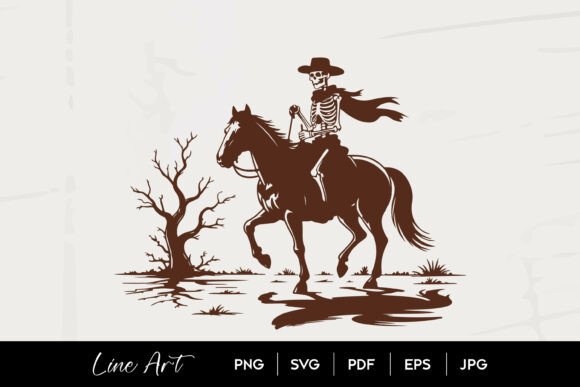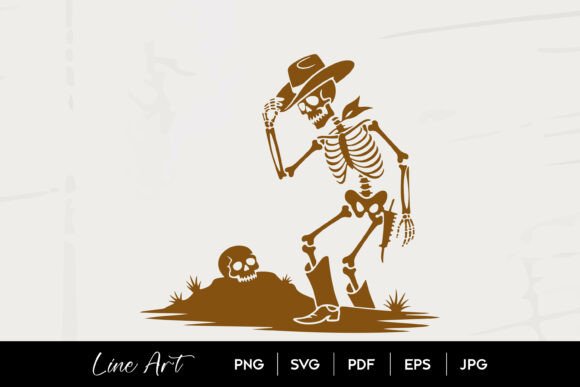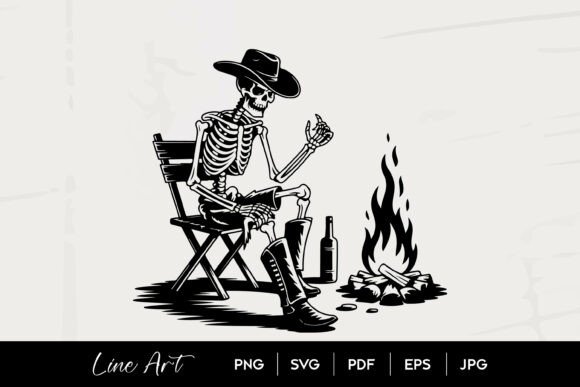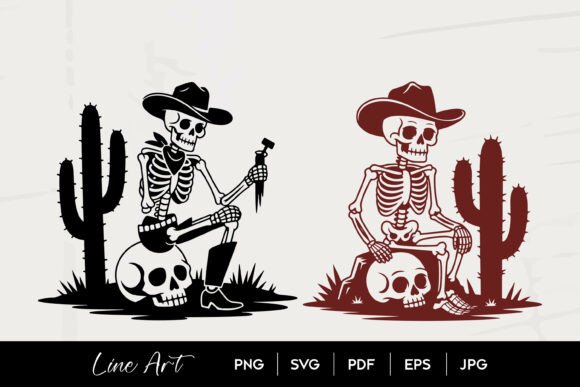
Cowboy Skeleton Cactus Line Art: A Designer's Review
As a designer who spends more time staring at stitch maps than most people care to admit, I approach new Illustrations with a healthy dose of skepticism. We have all downloaded a "perfect" vector only to find it turns into a bird's nest of thread once it hits the machine. That is why I took a close look at the Cowboy Skeleton Cactus Line Art before committing it to a client project. This isn't just about whether the image looks cool on a screen; it is about whether it survives the transition from a digital Graphics file to a tangible, washed, and worn finished product.
My first impression of the Cowboy Skeleton Cactus Line Art was its stark, graphic personality. There is a specific mood here that blends the macabre with the whimsical—a very popular aesthetic in modern western decor. The line work feels intentional, not accidental. For an embroidery project, this is crucial. When you are dealing with a skeleton motif, especially one wearing a cowboy hat next to a cactus, the definition of the bones and the spines of the plant must be crisp. If the lines are too close together or too faint, the design loses its character and becomes a muddy blob of thread. Fortunately, the source files provided—SVG, PNG, EPS, JPG, and PDF—suggest a versatility that allows us to manipulate the artwork before it ever becomes a machine embroidery design.
Visualizing the Stitch-Out on Real Fabric
I recently had a request for a custom tote bag design for a local boutique that specializes in quirky, southwestern-themed goods. The owner wanted something that felt vintage but edgy. The Cowboy Skeleton Cactus Line Art immediately came to mind as the perfect candidate. However, moving from a concept to a handmade product requires practical judgment.
When digitizing or preparing this type of line art for embroidery, the primary concern is how the running stitch or satin stitch will render those fine details. In my mental simulation of the stitch-out, I imagined using a high-contrast thread colors scheme. A cream or off-white thread on a dark denim or canvas background would make the skeleton pop, emphasizing the "outlaw" vibe mentioned in the product tags. Alternatively, for a subtler look on a light linen pillow cover, a sage green or rusty orange could tie in the desert theme without overwhelming the space.
The layout of the design is balanced enough to work as a central chest graphic on a sweatshirt embroidery job. I can picture this on an oversized, heather-grey hoodie, positioned slightly off-center for a modern streetwear feel. The simplicity of the line art ensures that even on a textured fabric like French terry, the design remains legible. Unlike complex fill stitch designs that can get lost in the nap of the fabric, line art tends to sit on top, maintaining its integrity.
Navigating Fabric Challenges and Hoop Constraints
While the aesthetic is strong, we must address where the Cowboy Skeleton Cactus Line Art might struggle. Not every surface is ready for this level of detail. If you are planning to use this on a cap or a curved surface, you need to be extremely careful with the hoop size and the density of the stitches. Caps are notorious for distorting designs, and if the skeleton's ribcage or the cactus needles are too tightly packed, the fabric might pucker, ruining the clean lines.
Similarly, stretchy fabrics present a challenge. If a customer wants this on a baby onesie for a unique baby embroidery gift, you must account for the stretch. A dense stitch density can make the fabric stiff and uncomfortable against sensitive skin. In this scenario, I would recommend simplifying the digitization, perhaps opting for a lighter fill or ensuring the underlay is minimal. Always test the design on scrap fabric that matches your final material. This is non-negotiable. Seeing how the stabilizer interacts with the specific weight of your fabric can save you from ruining expensive inventory.
Dark fabrics also require a strategic approach. While the contrast is beautiful, you may need a white underlay to prevent the fabric color from showing through the gaps in the line art, which could dull the "vintage" effect. Conversely, on very thin fabrics, a heavy stabilizer is essential to prevent the needle from pulling the material into the machine, which is a common issue with detailed digital embroidery file conversions.
Commercial Viability and Brand Consistency
For Etsy seller accounts and small shop product lines, consistency is key to building trust. The Cowboy Skeleton Cactus Line Art offers a distinct visual identity that can help define a brand's niche. Whether you are selling custom apparel, embroidered patch collections, or home decor, this design speaks to a specific demographic: those who love the wild west but appreciate a touch of humor and artistry.
Using this design in commercial embroidery projects can elevate the perceived value of your items. A simple tea towel becomes a conversation piece; a plain apron transforms into a statement item for a BBQ enthusiast. However, before listing these items, you must verify the licensing terms associated with the download. The product description lists various file formats, but it does not explicitly state the commercial license limits. As a professional, I always advise checking the creator's terms regarding the number of physical sales allowed or if the files can be used in printable mockup listings for digital products.
Customer reaction to such designs is generally positive when the execution is clean. The "skeleton" theme has year-round appeal, not just for Halloween. It fits perfectly into holiday embroidery collections for Day of the Dead celebrations or as a unique personalized gift for a rancher or cowboy boot enthusiast. The universality of the imagery means it doesn't alienate potential buyers with overly specific text or dated trends.
Final Verdict and Practical Tips
In conclusion, the Cowboy Skeleton Cactus Line Art is a robust asset for designers who understand how to manage line-based imagery in embroidery. It is not a "load and go" solution for every situation, but with the right preparation, it yields impressive results. Here are my final notes for anyone planning to use this in their workflow:
- Test First: Never run a new design on a final garment without a trial run on similar scrap fabric.
- Check Contrast: Ensure your thread choice stands out against the fabric texture; low contrast can make line art disappear.
- Review Density: If converting the vector yourself, keep the stitch count reasonable to avoid stiffness, especially on wearables.
- Verify Licensing: Confirm you are allowed to sell finished goods made from these design assets.
- Mind the Hoop: Ensure the entire design, including the cactus spines and hat brim, fits comfortably within your available hoop size without crowding the edges.
Ultimately, this design bridges the gap between digital illustration and tactile craft effectively. It respects the limitations of the medium while offering enough stylistic flair to make your craft business stand out. Whether you are making a single personalized gift for a friend or stocking shelves for a boutique, the Cowboy Skeleton Cactus Line Art provides a solid foundation for creative expression.