Cute Beige Bear Holding Bear Plush: A Designer's Review
As someone who spends most of their day digitizing files and testing machine embroidery design outcomes on various fabrics, I approach new design assets with a critical eye. It is not enough for an image to look cute on a screen; it must translate beautifully into thread. Recently, I evaluated the Cute Beige Bear Holding Bear Plush graphic to see if it holds up under the needle for real-world embroidery project applications. This isn't just a theoretical review; I am looking at how this specific illustration functions when turned into a tangible handmade product for clients or small shop inventory.
First Impressions and Visual Personality
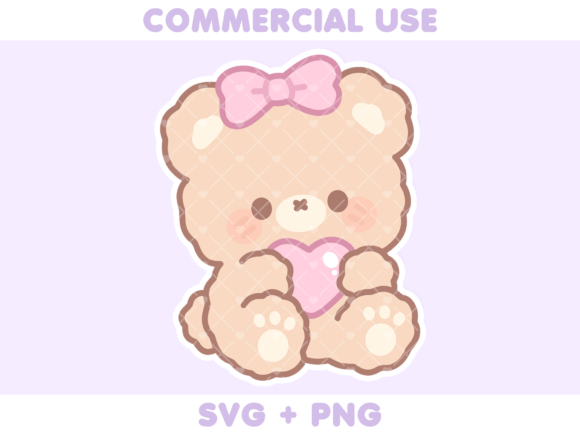
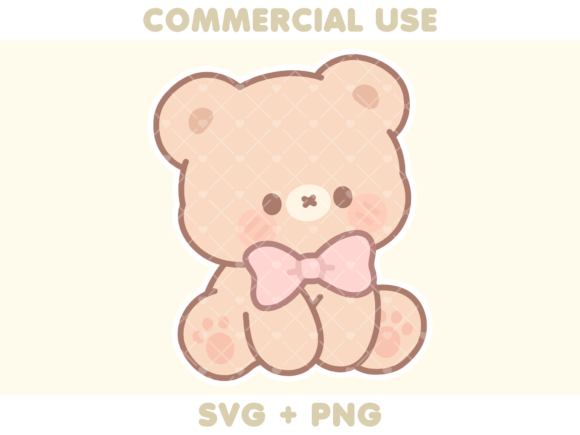
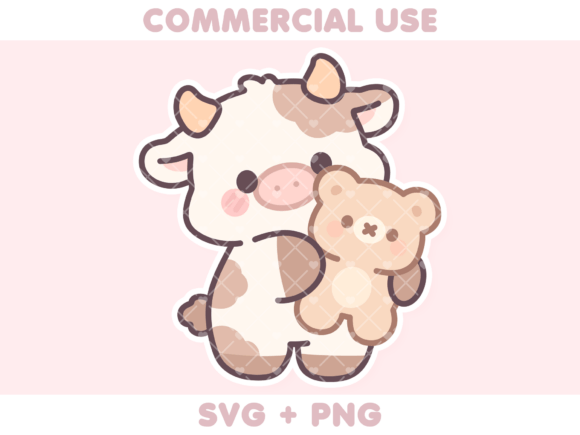
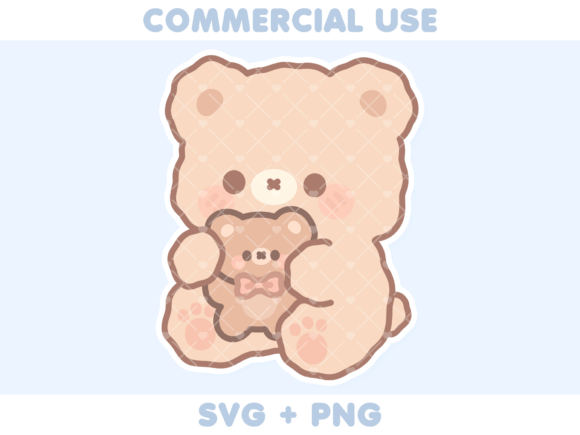
The moment you load the Cute Beige Bear Holding Bear Plush file, the mood is immediately apparent. It exudes a soft, comforting warmth that is perfect for the current trend of kawaii-style aesthetics. The illustration features a fluffy beige bear clutching a smaller bear plush, creating a layered "bear-within-a-bear" concept that is undeniably charming. For an embroiderer, the visual personality here is gentle and inviting. The lines are clean, and the shapes are well-defined, which suggests that converting this Graphics file into an embroidery file should be straightforward.
What stands out most is the simplicity of the composition. In the world of Illustrations, less is often more when it comes to stitching. Complex gradients and tiny details can get lost in thread, but this design relies on strong silhouettes and soft pastel tones. The beige palette offers a neutral base that pairs effortlessly with countless thread color combinations, making it a versatile choice for custom orders where a client might request specific accent colors for the inner plush or background elements.
Real-World Application Scenarios
To truly test the viability of this design, I imagined several practical scenarios where a crafter or Etsy seller might utilize it. The most obvious fit is baby embroidery. Picture a high-quality muslin swaddle or a organic cotton onesie featuring this bear. The soft beige tones are gender-neutral and soothing, making it an ideal personalized gift for a baby shower. Because the subject matter involves a toy (the plush bear), it resonates deeply with the nursery demographic.
Beyond baby items, I see immense potential for sweatshirt embroidery. A oversized, cream-colored fleece sweatshirt with this design centered on the chest would sell quickly in a boutique setting. The "cozy" factor of the image matches the texture of fleece perfectly. Another strong contender is the tote bag design market. Canvas totes are staples for craft fairs, and adding this character to a natural canvas bag creates an instant bestseller for students or book lovers. The design is large enough to be a statement piece but simple enough not to overwhelm the fabric.
For those running a craft business, this image could also serve as the centerpiece for an embroidered patch. Patches are incredibly popular right now, and the distinct outline of the bear holding the plush would stitch up cleanly with a satin stitch border. Whether applied to a denim jacket or a backpack, the finished product would have a professional, high-value look that encourages buyer engagement.
Technical Considerations for Stitching
While the artistic merit is high, we must discuss the technical execution. Since the source file is a high-quality PNG, you will need to digitize it or use software to convert it into a stitch format compatible with your machine. When doing so, pay close attention to stitch density. The "fluffy" texture described in the artwork should be achieved through careful fill stitch programming rather than overcrowding the area with threads. Too much density can make the fabric stiff and cause puckering, especially on stretchy materials like t-shirts or knit sweaters.
I recommend using a combination of stitch types. A running stitch might work well for the finer details of the bear's facial features, while a wider satin stitch could define the outer edges to give the design a crisp, sticker-like appearance. If you are attempting an applique design approach, this graphic is a prime candidate. You could cut beige felt or fleece for the main bear and a contrasting color for the held plush, then use a tack-down stitch to secure them. This method adds wonderful texture and dimension to the finished product.
One crucial area to watch is the interaction between the two bears. Ensure there is sufficient contrast between the main bear and the plush it is holding. If the thread colors are too similar, the definition will vanish once stitched. Test your thread colors against both light and dark backgrounds. While the design shines on light fabrics, remember that stitching on dark fabric may require an underlay or a white backing to prevent the fabric color from showing through the beige threads.
Fabric Choices and Hoop Constraints
Not every fabric is created equal for this type of imagery. For the best results, stick to stable woven fabrics like cotton twill, linen, or heavy-weight jersey. If you are working with textured fabrics, such as a waffle knit or a rough canvas, be aware that the fine details of the bear's face might get slightly obscured by the fabric weave. In these cases, simplifying the digitizing settings to use fewer, larger stitches can help maintain clarity.
Regarding hoop size, always check the dimensions of your specific digitized version of Cute Beige Bear Holding Bear Plush. While the original graphic is scalable, embroidery has physical limits. If you are stitching on a cap or a curved surface, ensure the design fits within a smaller hoop without losing proportion. Curved surfaces can distort wide designs, so placing this bear on the center front of a structured cap requires careful positioning and a strong stabilizer to prevent shifting during the stitch-out.
Speaking of stabilizer, do not skimp here. For items that will undergo frequent washing, like kitchen towels or children's clothing, use a cut-away stabilizer to provide long-term support. Tear-away stabilizers might suffice for decorative wall hangings or holiday ornaments, but for custom apparel intended for daily wear, durability is key to maintaining customer trust.
Commercial Viability and Brand Consistency
For small shop product creators, consistency is everything. This design fits seamlessly into brands that focus on warmth, childhood nostalgia, and soft aesthetics. Using Cute Beige Bear Holding Bear Plush across a range of products—from pillow covers to tea towels—creates a cohesive collection that looks professional and thoughtfully curated. It elevates the perceived value of your handmade product because the imagery feels intentional rather than generic.
However, before listing items for sale, you must verify the licensing terms associated with the original Graphics file. Just because a file is available for download does not automatically grant commercial rights. Confirm whether the license allows for unlimited sales of physical goods or if there are restrictions on the number of units you can produce. This step is vital for protecting your craft business and avoiding legal issues down the line. Additionally, if you plan to sell the digitized digital embroidery file itself, ensure the original creator permits redistribution or derivative works.
Final Verdict and Designer Notes
In conclusion, the Cute Beige Bear Holding Bear Plush is a standout asset for embroiderers looking to add a touch of sweetness to their portfolio. Its strength lies in its adaptability; it works equally well as a focal point on a large tote or a delicate accent on a baby bib. The emotional connection it fosters with the viewer translates directly into sales potential for holiday embroidery gifts or year-round boutique items.
My final advice is to always test the design on scrap fabric first. Create a mockup to see how the beige threads interact with your specific material. Check the back of the hoop to ensure the stitching is neat and that there are no excessive jumps or trims that could irritate sensitive skin. By taking these practical steps, you ensure that the final result is not just a picture on cloth, but a high-quality, durable piece of art that customers will cherish.