Cute Tiger Standing: A Designer's Review for Embroidery
As someone who spends hours digitizing and stitching out designs for clients, I approach every new machine embroidery design with a critical eye. It is not just about whether an image looks cute on a screen; it is about how that image translates into thread, how it sits on fabric, and whether it will hold up to the wear and tear of a finished product. Recently, I evaluated the Cute Tiger Standing illustration to see if it has what it takes for real-world application. This isn't a basic unboxing; this is a practical assessment for fellow designers, Etsy sellers, and makers who need to know if this asset is worth their time and thread.
First Impressions: Mood and Visual Personality
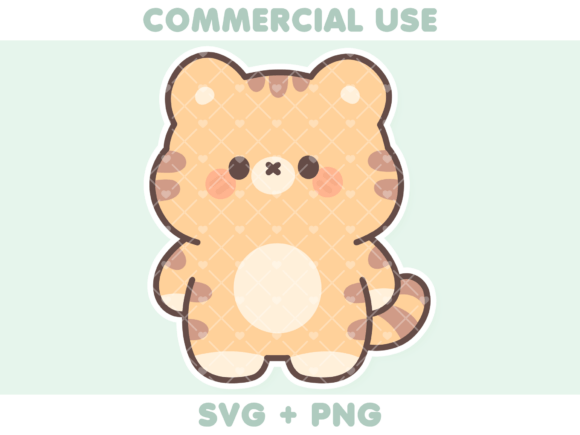
The first thing that strikes you about Cute Tiger Standing is its undeniable charm. The soft pastel kawaii style creates an immediate sense of warmth and approachability. In the world of Illustrations and Graphics, finding a balance between simplicity and character can be tricky, but this design nails it. The standing pose gives the tiger a confident yet innocent stance, making it versatile for various demographics, from nursery decor to trendy streetwear.
Visually, the layout is clean. There are no overly complex background elements that would complicate the stitching process. For an embroiderer, this is a green light. Simple shapes often translate better into thread than hyper-realistic details, especially when working with standard home machines. The visual personality suggests a product that feels handmade and thoughtful, which is exactly what customers look for in a handmade product.
Real-World Application: From Screen to Stitch
To truly test the viability of this design, I imagined a specific scenario: creating a custom line of tote bags for a local boutique specializing in eco-friendly baby goods. The goal was to produce a tote bag design that appeals to new parents looking for something unique. Cute Tiger Standing fits this brief perfectly. Its soft color palette complements natural canvas fabrics beautifully.
When considering custom apparel, such as a children's sweatshirt, the design shines. Sweatshirt embroidery requires a graphic that doesn't get lost in the texture of fleece or French terry. The bold outlines and clear shapes of this tiger ensure visibility even on textured surfaces. Furthermore, for those running a craft business, this design offers excellent potential for embroidered patch creation. The standing figure has a defined perimeter that would look fantastic cut out and applied as an iron-on or sew-on patch.
Beyond clothing, think about home goods. A holiday embroidery project for a kitchen towel or a nursery pillow cover could easily feature this tiger. It acts as a focal point without overwhelming the item. For Etsy sellers, the versatility means you can list this as a personalized gift option, perhaps adding a name below the tiger using a complementary font, thereby increasing the perceived value of the finished product.
Technical Considerations and Fabric Challenges
While the aesthetic is strong, we must discuss the technical execution. Since Cute Tiger Standing is provided as a high-quality PNG, it is technically a raster image, not a native embroidery file. This is a crucial distinction. Before you hoop your fabric, you must digitize this image or have it converted into a stitch file compatible with your machine. You cannot simply load a PNG into most embroidery machines and expect magic.
Once digitized, pay close attention to stitch density. Pastel colors can sometimes look washed out if the stitching is too sparse. Conversely, if the density is too high on a lightweight fabric, you risk puckering. I recommend testing the design on scrap fabric first. This is non-negotiable. Check how the thread colors interact with your chosen material. A pastel orange might disappear on a cream-colored linen but pop vibrantly on a navy blue twill.
There are specific scenarios where caution is required. If you plan to use this on stretchy fabrics like jersey knits for baby embroidery, a robust stabilizer is essential to prevent distortion. Similarly, curved surfaces like caps present a challenge. The standing posture of the tiger has vertical lines that could warp if the hoop tension isn't perfect on a curved hat frame. For small hoop sizes, ensure the details of the tiger's face remain clear; tiny features can get lost if the design is scaled down too much.
Navigating Dark and Textured Fabrics
The product description mentions a version with a white outline, which is a game-changer for dark fabrics. Without this outline, a pastel tiger might blend into a black hoodie or a dark denim jacket. Using the outlined version ensures the silhouette remains distinct, maintaining the design's integrity regardless of the background. This attention to detail in the source Graphics shows foresight that benefits the end user.
However, be wary of very textured fabrics like heavy wool or looped towels. The satin stitch or fill stitch techniques used to render the tiger need a relatively smooth surface to look crisp. On highly textured materials, consider using a running stitch outline or an applique design approach where the tiger is cut from fabric and stitched down, rather than trying to fill the entire shape with thread.
Business Value and Brand Consistency
For creative entrepreneurs, the choice of design assets directly impacts brand perception. Using a high-quality, cohesive image like Cute Tiger Standing helps build trust. Customers associate clean, well-executed embroidery with professionalism. If you are selling small shop product lines, consistency is key. This design's style is specific enough to be recognizable but generic enough to fit various themes, aiding in brand consistency across different items like aprons, blankets, and accessories.
In terms of marketing, having a clear, adorable image allows for stunning printable mockup creation. Before you even stitch a single thread, you can place this PNG on digital mockups of t-shirts and mugs to gauge customer interest. This saves time and resources, allowing you to validate your commercial embroidery ideas before committing to production.
Final Verdict and Designer Notes
After reviewing the potential applications and technical requirements, Cute Tiger Standing proves to be a solid candidate for a wide range of projects. Its strength lies in its adaptability and emotional appeal. However, success depends entirely on proper preparation.
- Digitization is Key: Remember, you are starting with a PNG. Invest time in quality digitization to define your stitch types (satin vs. fill) and underlay.
- Test Your Thread: Pastels can vary wildly between brands. Test your specific thread colors against the fabric to ensure the "kawaii" vibe isn't lost to poor contrast.
- Check Licensing: Before selling any finished product or using this in a digital embroidery file bundle, confirm the licensing terms. Ensure you have the right to use it for commercial purposes.
- Mind the Details: Inspect small corners and curves in your test run. These are common failure points in embroidery.
- Mockup First: Always visualize the design in black and white to check for contrast issues before committing to color.
In conclusion, if you are looking to add a touch of whimsy to your portfolio, this design is a strong contender. Whether you are making a wedding gift, stocking up for a craft fair, or expanding your online store, Cute Tiger Standing offers the visual appeal needed to engage buyers. Just remember that the magic happens not in the download, but in the careful translation from pixel to thread.