Duck Yeah Retro Badge: A Designer's Review
As someone who spends more time staring at stitch maps than most people spend looking at their phones, I approach every new machine embroidery design with a healthy dose of skepticism. We have all been there: you download a cute graphic, load it onto your machine, and halfway through the run, you realize the density is going to turn your fabric into cardboard or the tiny details are going to vanish into a puckered mess. That is why I took a close look at the Duck Yeah Retro Badge Rubber Duck before committing it to any client projects or personal handmade products.
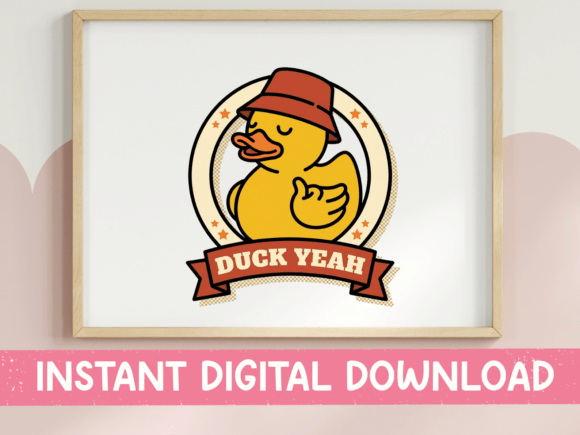
This isn't just another rubber duck graphic; it is a statement piece wrapped in a retro aesthetic. The concept is simple but effective: a golden-yellow rubber duck, sporting a rich red bucket hat, giving a confident thumbs-up inside a cream and tan circular badge. It screams "good vibes" with a touch of vintage cool. But does it translate well from a digital screen to actual thread? Let's break down how this design performs in the real world of embroidery.
First Impressions and Visual Personality
When I first pulled up the preview for Duck Yeah Retro Badge Rubber Duck, the color palette immediately caught my eye. The combination of golden yellow, deep red, cream, and tan creates a warm, nostalgic mood that feels very current. In the world of T-Shirt Designs and Graphics, retro badges are having a massive moment, and this design fits right in. The layout is contained within a circle, which is generally excellent for embroidery because it provides a natural boundary for your hoop and helps manage pull compensation.
The character itself has a lot of personality. The bucket hat adds a layer of detail that separates it from generic duck designs, and the thumbs-up gesture reinforces the pun in the title. Visually, it feels like something that belongs on a streetwear hoodie, a canvas tote, or even a high-end nursery pillow. It strikes a balance between playful and stylish, making it versatile enough for both kids' items and adult apparel.
Real-World Application: The Tote Bag Test
To truly evaluate this embroidery file, I imagined a specific scenario: a custom order for a local boutique needing a run of eco-friendly tote bags. These bags are usually made of medium-weight canvas, which is forgiving but can be tricky with dense designs. The Duck Yeah Retro Badge Rubber Duck seemed like a perfect candidate for this project.
The circular badge shape works exceptionally well on flat surfaces like tote bags or pillow covers. Because the design is self-contained, it doesn't risk running off the edge of a pocket or getting lost in a seam. For a small shop product or an Etsy seller looking to expand their line, this design offers high visual impact without requiring a massive hoop. The bold colors of the duck and the hat would pop beautifully against natural beige canvas or even a dark navy bag, provided you choose the right thread colors.
I also considered this for sweatshirt embroidery. The retro vibe pairs perfectly with the casual comfort of a fleece crewneck. If you are creating custom apparel for a brand, this design acts as a strong logo or chest emblem. It's not too busy, so it won't overwhelm the garment, but it's detailed enough to look professional and intentional.
Technical Considerations for Stitching
Now, let's get into the nitty-gritty technicals. While I don't have the exact stitch count or file format specifics in front of me (always check the product listing for these details before purchasing), I can make some educated guesses based on the visual complexity. The red bucket hat and the yellow body likely utilize fill stitch to create those solid blocks of color. Fill stitches are great for durability, but they add bulk.
If you are planning to use this on thin fabric or stretchy materials like a lightweight t-shirt, you need to be cautious. High stitch density in the colored sections could cause the fabric to pucker or the design to crack after washing. My advice? Always test the design on a scrap piece of your intended fabric first. Use a good quality stabilizer—perhaps a cut-away for knits or a tear-away for wovens—to support the weight of the threads.
The text "Duck Yeah" appears to be integrated into the badge. Small lettering in embroidery can be a nightmare if the font is too thin or the spacing is too tight. Before stitching a full production run, inspect the small details closely. Does the text hold up at a smaller size? If you are scaling this down for a pocket logo or an embroidered patch, ensure the letters don't merge together. Running a test on both light and dark fabric backgrounds is crucial here to see how the cream and tan elements contrast against the material.
Navigating Fabric Textures and Hoop Sizes
One of the strengths of a badge-style design is its adaptability to different hoop sizes. However, if you are working with a small hoop, you might need to resize the design. Be careful when resizing; shrinking it too much can compromise the integrity of the running stitch outlines or the satin borders that likely frame the circle. Conversely, enlarging it too much might expose gaps in the fill stitching that aren't visible at standard sizes.
Textured fabrics present another challenge. If you are embroidering this on a waffle knit or a heavy towel, the texture of the fabric can interfere with the crispness of the duck's features. The golden-yellow body needs to stand out clearly against the background. On highly textured items, consider using a water-soluble topper to keep the stitches sitting on top of the fibers rather than sinking in.
Curved surfaces, like caps, require extra attention. While the circular shape is theoretically good for hats, the curvature of the front panel can distort the perspective of the duck's face and the text. If you are doing cap embroidery, ensure your digitizing software (or the purchased file) has appropriate pull compensation built-in for curved applications.
Commercial Viability and Brand Value
For craft business owners and creative entrepreneurs, the value of a design goes beyond how pretty it looks. It's about how it sells. The Duck Yeah Retro Badge Rubber Duck has strong "giftability." It appeals to parents for baby embroidery projects, to young adults looking for trendy holiday embroidery gifts, and to anyone who loves a good pun. This broad appeal makes it a safe bet for stocking design assets in your shop.
Using this design can enhance your brand consistency if your aesthetic leans towards fun, retro, or quirky. A well-executed finished product builds customer trust. If the stitching is clean, the colors are vibrant, and the design holds up after washing, customers are more likely to return. However, remember to check the licensing terms. Just because a design looks great doesn't mean it is cleared for commercial embroidery use. Always confirm whether you can sell finished items or if the license is for personal use only.
Final Verdict for Designers
In summary, the Duck Yeah Retro Badge Rubber Duck is a charming and versatile addition to any designer's library. Its retro styling and confident character make it a standout choice for tote bag design, personalized gift items, and boutique apparel. However, success lies in the execution. Respect the limitations of your fabric, choose your stabilizer wisely, and never skip the test stitch.
Whether you are creating a printable mockup for an online listing or stitching a one-off gift for a friend, this design has the potential to deliver a high-quality finished product. It reminds us that embroidery doesn't always have to be serious or traditional; sometimes, a rubber duck in a bucket hat is exactly what a project needs to bring a smile to someone's face. Just keep your thread colors sharp and your tension checked, and you will be ready to quack your way to a successful sale.