Reviewing the Little February SVG Cut File for Embroidery
As a designer who spends more time hooped up at the machine than anywhere else, I approach new design assets with a critical eye. It is not enough for a file to look cute on a screen; it must translate beautifully into thread, withstand the tension of the hoop, and hold up after the first wash. Recently, I evaluated the Little February SVG Cut File to see if it holds water for real-world embroidery projects. While this product is marketed primarily as a digital download for cutting machines, its vector nature makes it a compelling candidate for conversion into a machine embroidery design, provided one understands the nuances of moving from cut lines to stitch paths.
First Impressions and Visual Personality
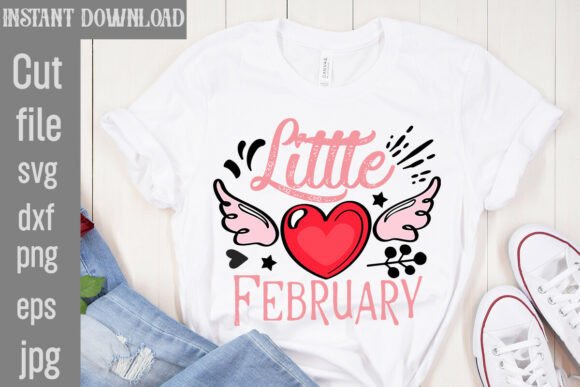
Upon opening the .zip file, the immediate takeaway is the versatility of the included formats. You receive an SVG file for Cricut, a DXF file for Silhouette, an EPS file vector, and a high-resolution PNG file at 300 DPI. For an embroiderer, the EPS and SVG files are the gold mines here. These vector formats allow us to import the artwork into digitizing software to create custom stitch paths rather than relying on pre-digitized files that might not suit our specific fabric choices.
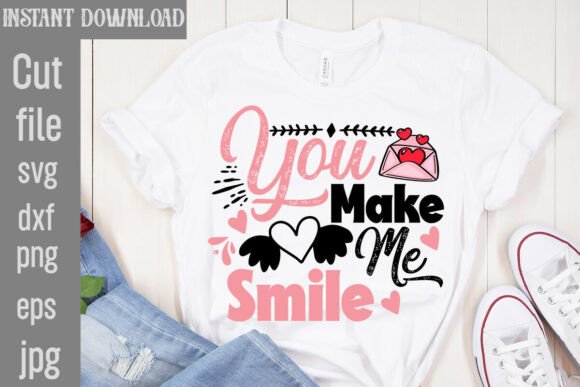
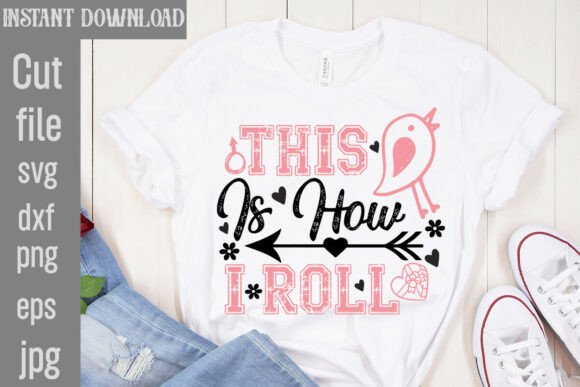
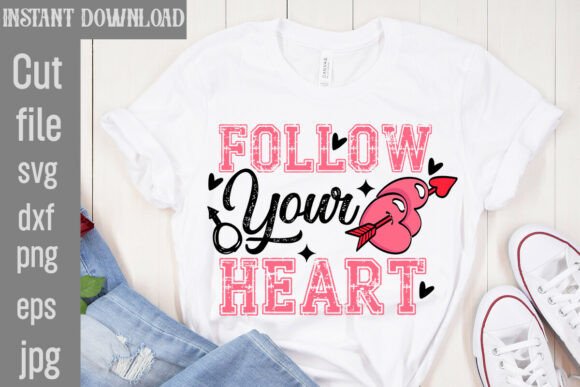
The mood of the Little February SVG Cut File is undeniably sweet and seasonal. It captures that specific late-winter, early-spring transition often associated with Valentine's Day or early spring themes. The shapes appear clean and well-defined, which is crucial when you are planning to convert them into satin stitch borders or fill stitch areas. A cluttered or overly complex vector can be a nightmare to digitize, resulting in excessive jump stitches or poor coverage. However, the layout here suggests a design that would sit comfortably on a variety of substrates without overwhelming the garment.
Real-World Application: The Custom Sweatshirt Scenario
To truly test the potential of this graphic, I visualized a common request I receive from clients: a personalized sweatshirt embroidery project for a boutique client launching a limited February collection. The goal was to create something that felt handmade but polished enough for retail.
Using the vector data from the Little February SVG Cut File, I mapped out how the design would look on a heavyweight cotton blend fleece. Because the original files are intended as T-Shirt Designs and general Graphics, they are likely optimized for flat, single-color cuts. When adapting this for embroidery, the simplicity works in our favor. On a textured fabric like fleece, a design with too much fine detail can get lost. The bold, clear lines of this file suggest it would pop nicely using a thick thread color contrast, perhaps a soft pastel against a charcoal grey hoodie.
For an Etsy seller or small shop product creator, this adaptability is key. You aren't just selling a sticker; you are selling a handmade product that needs to justify its price point. The clean aesthetic of this file allows for a professional finished product that looks intentional rather than amateurish. Whether applied as a chest logo or a sleeve accent, the scale seems appropriate for standard adult apparel.
Navigating Fabric Textures and Hoop Constraints
While the design shows promise, practical embroidery requires caution. One cannot simply import an SVG and expect perfection. The Little February SVG Cut File must be carefully assessed for stitch density during the digitizing phase. If you plan to use this on stretchy fabrics like jersey knits for custom apparel or baby embroidery, you must ensure the stitch count isn't too high, which could cause puckering.
I also considered how this would perform on curved surfaces, such as a structured cap. The geometry of the design appears relatively flat, which is generally good, but any sharp corners in the vector path need to be softened in the embroidery software to prevent thread breaks. Furthermore, if you are working with a small hoop size, you may need to resize the element. Since the source file is a vector, scaling down is lossless, but you must verify that small details do not become too tight for your needle to navigate.
For items that will face frequent washing, like tote bag designs or kitchen towels, the choice of stabilizer becomes paramount. A cut file does not come with stabilizer recommendations because it is not pre-digitized. Therefore, the responsibility falls on the maker to choose a cut-away stabilizer for stretchy goods or a tear-away for stable wovens to ensure the embroidered patch or direct stitch remains crisp over time.
Commercial Viability and Brand Consistency
For creative entrepreneurs and digital product sellers, the value of the Little February SVG Cut File lies in its potential for brand consistency. Because you have the EPS and SVG files, you can create matching printable mockups for your online listings that perfectly match the physical item you will eventually stitch. This synchronization builds customer trust; what they see in the preview is exactly what they get in the mail.
However, a word of caution regarding licensing is necessary. The product description states "DIGITAL DOWNLOAD ONLY" and lists the file types but does not explicitly detail the commercial license terms for converting these cut files into embroidered goods for resale. Before listing holiday embroidery items or personalized gifts made from this design on your storefront, you must confirm whether the creator allows for derivative works like embroidered finished goods. Assuming permission is granted, this asset could be a strong addition to a seasonal lineup, offering a fresh take on holiday gifts without the generic look of mass-produced transfers.
Practical Notes for the Maker
If you decide to move forward with turning this graphic into thread, here is my professional advice for the best results:
- Test on Scrap First: Never run a new conversion on your final garment. Stitch it out on a scrap piece of the same fabric to check registration and tension.
- Check Contrast: Use the included PNG file to create black-and-white mockups. If the design loses its definition in grayscale, it might be too detailed for certain fabric textures.
- Verify Dimensions: Ensure the resized design fits your available hoop size before committing to the digitizing process.
- Thread Selection: Experiment with satin stitch widths. A wider satin can cover gaps in looser weaves, while a narrower stitch offers more definition on tight fabrics.
- License Confirmation: Double-check the usage rights for commercial embroidery to avoid intellectual property issues down the line.
In conclusion, the Little February SVG Cut File is a robust starting point for the savvy decorator. It bridges the gap between digital crafting and textile art, offering a clean slate for those willing to put in the digitizing work. For the craft business owner looking to expand beyond simple vinyl applications, this file offers the flexibility to create high-value, textured goods that stand out in a crowded marketplace.