Skeleton Cowboy Riding Horse Under Moon Review
As a designer who spends more time staring at stitch previews than I do sleeping, I approach every new machine embroidery design with a healthy dose of skepticism. We have all been there: you download a file that looks crisp on the screen, only to watch it turn into a bird's nest of thread on your hoop. That is why I took a close look at the Skeleton Cowboy Riding Horse Under Moon before committing it to any client projects. This isn't just another spooky graphic; it is a potential staple for the "Haunted West" aesthetic that has been trending in boutique apparel lately.
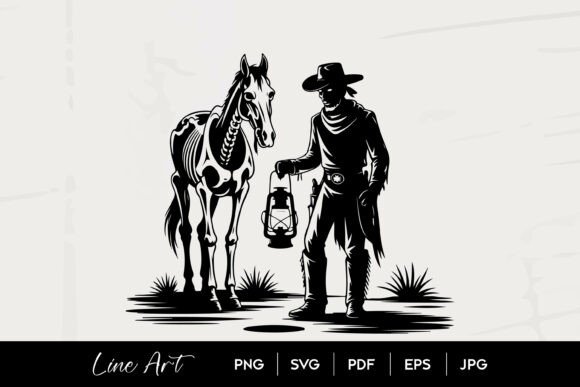
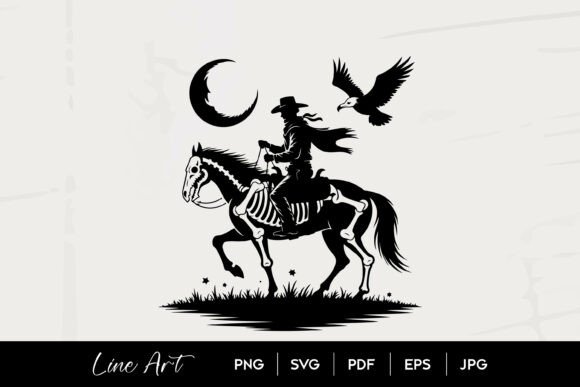
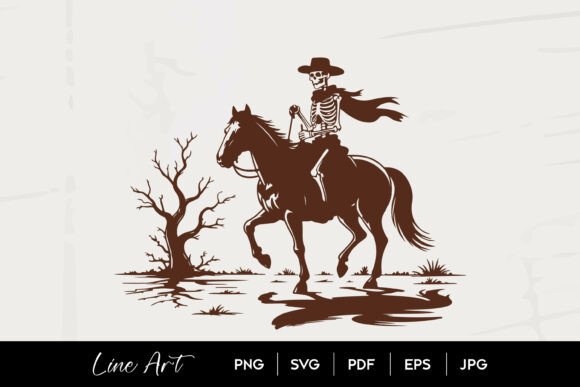
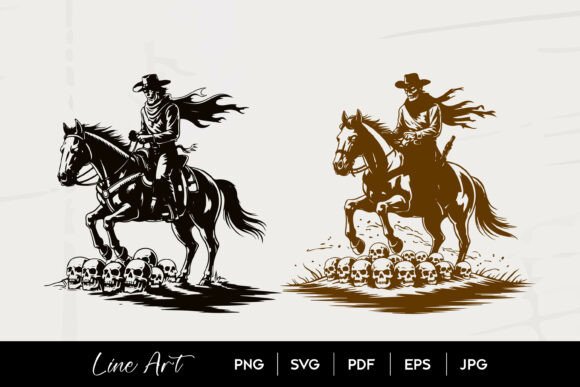
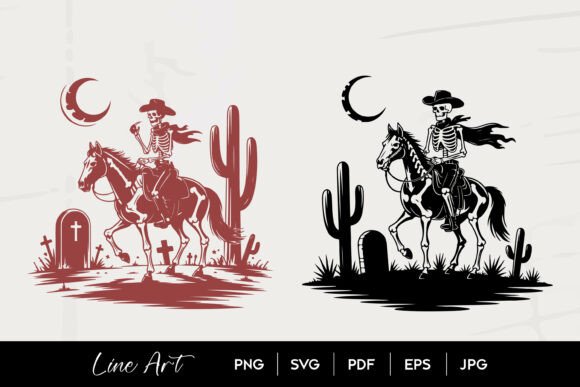
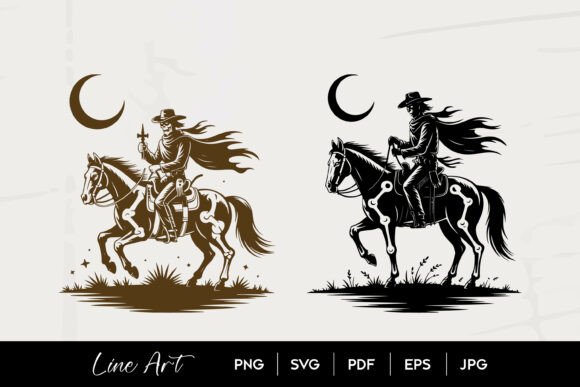
The first thing that strikes me about this Illustrations piece is its silhouette nature. In the world of Graphics, silhouettes are often the safest bet for embroidery because they rely on bold shapes rather than intricate internal detailing that can get lost in thread texture. The image of a skeletal rider atop a galloping horse, framed by a moon, creates an immediate mood. It feels rugged, slightly eerie, but undeniably cool. For those of us running small shops or Etsy stores, mood is everything. You aren't just selling a shirt; you are selling a vibe.
Real-World Application: The Custom Tote Test
To truly evaluate this design, I imagined a specific real-life scenario. Picture a customer coming into your shop two weeks before Halloween asking for a custom tote bag for trick-or-treating. They want something durable, reusable, and stylish enough to wear year-round if they love the western goth look. The Skeleton Cowboy Riding Horse Under Moon fits this brief perfectly.
Because the design is a silhouette, it translates beautifully to a tote bag design. Canvas or heavy cotton twill provides the stability needed for the stitches to lay flat. When visualizing the finished product, I can see how the high contrast of white or bone-colored thread against a black or charcoal bag would pop. The lack of tiny, isolated details means less risk of the design fraying after a season of being stuffed with candy and pumpkin spice lattes. It is a practical choice for a handmade product that needs to survive actual use.
Versatility Across Apparel and Home Decor
Beyond tote bags, this embroidery file shows promise for sweatshirt embroidery. A oversized hoodie with this graphic centered on the chest or placed large on the back taps directly into current streetwear trends. The flow of the horse's mane and the rider's posture suggests movement, which adds dynamic energy to static fabric.
I also see potential for holiday embroidery beyond just Halloween. If you swap the traditional orange and black threads for muted earth tones—sage green, dusty rose, and cream—you could pivot this into a year-round western decor piece. Imagine this stitched onto a pillow cover for a cabin-style living room or a rustic nursery. The "ghost rider" theme is spooky enough for October but artistic enough to remain as part of a boho-western interior design scheme.
For commercial embroidery projects, consistency is key. Since this is a silhouette, color matching is less critical than with photorealistic designs. You can adapt the thread colors to match a brand's palette without losing the integrity of the image. This makes it a flexible asset for boutique branding where you might need to produce batches of merchandise in varying colorways.
Technical Considerations and Fabric Challenges
However, no design is perfect for every situation, and a professional review must address the limitations. While the bold lines of the Skeleton Cowboy Riding Horse Under Moon are generally forgiving, there are areas where caution is required.
- Hoop Size Constraints: Ensure the design fits your available hoop. If the horse is in full gallop, the width might be significant. Trying to shrink it too much for a small cap front could result in loss of definition, particularly in the legs and the moon's curve.
- Fabric Texture: On highly textured fabrics like terry cloth or coarse wool, fine lines can get swallowed up. While this design is relatively bold, the edges of the skeleton's ribs or the horse's tail might need a higher stitch density or a different stitch type, like a slightly wider satin column, to maintain clarity.
- Stretchy Fabrics: If you are applying this to a fitted t-shirt or baby clothes, stabilization is non-negotiable. The horizontal span of the horse requires a sturdy stabilizer to prevent puckering. Without it, the design could distort after the first wash, ruining the sleek silhouette.
- Curved Surfaces: Placing this on a structured cap is tricky. The curvature of the front panel can distort long horizontal lines. You may need to adjust the pull compensation or choose a different placement, perhaps on the side panel, to keep the rider looking upright and proportional.
Enhancing Visual Appeal and Brand Value
The true value of a design like this lies in its ability to elevate the perceived quality of your small shop product. A well-executed silhouette looks intentional and professional. It avoids the "clipart" feel that plagues many low-effort listings. When a customer sees clean, sharp edges and consistent fill, it builds trust. They perceive the item as a premium personalized gift rather than a mass-produced novelty.
For Etsy sellers and creative entrepreneurs, the versatility of this file format matters. The product description mentions SVG, PNG, EPS, JPG, and PDF. While we are focusing on embroidery, having access to the vector files (SVG/EPS) is a huge bonus. It allows you to create printable mockups for your listings before you even stitch a single thread. You can show customers exactly how the design will look on a dark tee versus a light apron, increasing buyer engagement and reducing hesitation.
Final Designer Notes and Best Practices
Before you list this as a custom apparel option or include it in a holiday collection, here is my practical advice based on years of trial and error:
- Test on Scrap First: Never run a new design on a final garment immediately. Stitch it on a scrap piece of the same fabric and stabilizer combination you plan to use. Check for registration issues between the horse and the moon.
- Check Contrast: Silhouettes rely entirely on contrast. Test the design in black and white mockups to ensure the shapes remain distinct. If the moon blends too much with the horse's head in certain lighting, consider adjusting the thread shade.
- Review Licensing: The product includes various formats for design assets, but always confirm the license terms. Can you sell the stitched item? Can you sell the digital file? Knowing this protects your craft business from legal headaches.
- Inspect Small Details: Look closely at the connection points. Does the skeleton's hand connect securely to the reins in the digitized version? Weak tie-ins can lead to loose threads that require excessive trimming.
- Consider the Audience: While "spooky cowboy" is popular, ensure it fits your specific niche. For a baby embroidery project, you might want to soften the "skeleton" aspect by using pastel threads, whereas a biker vest demands high-contrast neon or metallic threads.
In conclusion, the Skeleton Cowboy Riding Horse Under Moon is a strong contender for your autumn and winter catalog. It balances thematic flair with technical practicality. By respecting the limitations of fabric and hoop size, and by leveraging its bold silhouette for high-impact applications, you can turn this single graphic into a best-selling embroidered patch, a statement sweatshirt, or a cherished heirloom. It is a reminder that sometimes, the simplest shapes make the loudest statements.