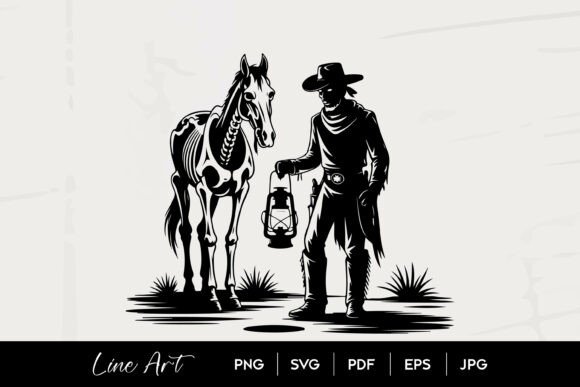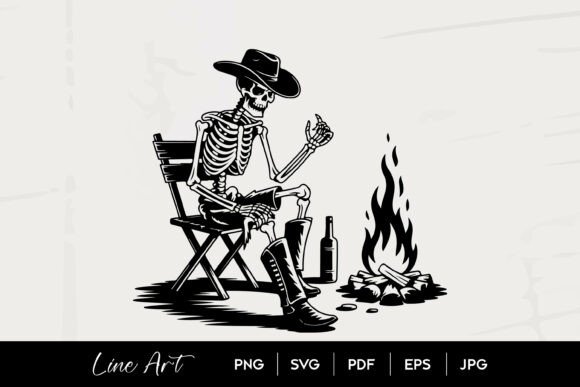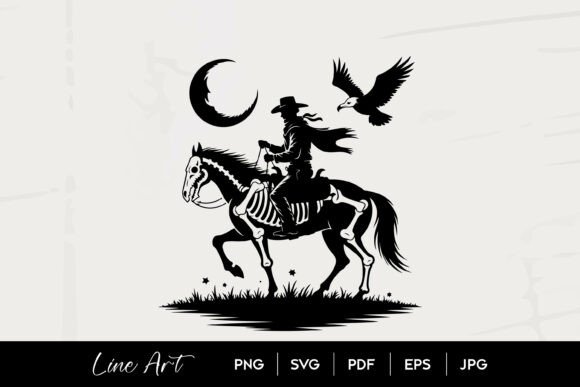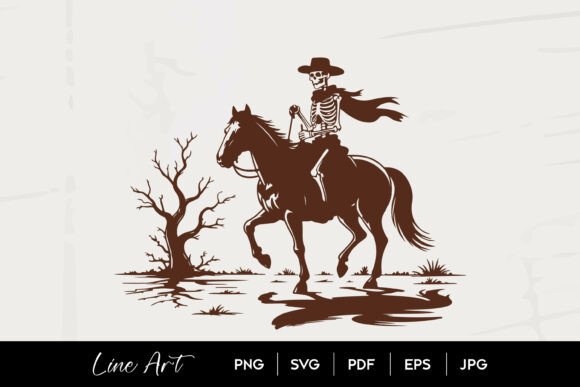
Skeleton Cowboy Smoking Pipe Art: A Designer's Review
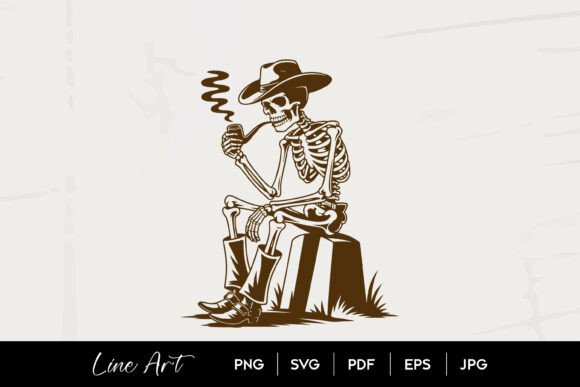
When I first pulled up the Skeleton Cowboy Smoking Pipe Art file on my screen, I wasn't just looking at a graphic; I was immediately visualizing the stitch-out. As someone who spends hours tweaking density maps and testing stabilizers, my first impression is always about translation. How does this vector art move from a crisp digital line to a tactile, thread-based reality? This design, with its rugged western vibe and skeletal motif, offers a compelling mix of bold shapes and intricate details that demands a careful eye before it hits the hoop.
The mood here is unmistakably vintage outlaw. It captures that "wild west" aesthetic without feeling like a cheap costume prop. The composition centers on a skull adorned with a cowboy hat, exuding a sense of timeless rebellion. For embroidery designers and small business owners, this kind of thematic clarity is gold. It speaks directly to specific niches—biker gangs, country music fans, Halloween enthusiasts, and anyone who loves retro Americana. When you are building a catalog for an Etsy shop or preparing custom apparel for a boutique client, having a design with such a strong personality means less explaining and more selling.
Visualizing the Stitch-Out: From Screen to Fabric
Let's talk about how this Illustrations piece performs in a real-world scenario. Imagine you are preparing a custom order for a local coffee shop owner who wants branded merchandise with an edge. You decide to use this design on a heavy canvas tote bag. The bold outlines of the skeleton and the pipe translate beautifully into a satin stitch border, providing definition against the textured fabric. The internal areas, likely handled with a fill stitch, would need to be dense enough to prevent the canvas weave from showing through but light enough to avoid puckering.
However, the devil is in the details. The smoking pipe and the finer bone structures within the skull require precision. If you are converting this Graphics file into a machine embroidery design yourself, you need to pay close attention to the stitch density in these smaller areas. On a sweatshirt embroidery project, where the fabric has more give and texture, those tiny details could get lost if the stitches are too sparse. Conversely, on a smooth polo shirt, overly dense stitching might cause the fabric to pucker or the threads to break. My advice? Always run a test stitch-out on scrap fabric that matches your final product's weight and texture.
Ideal Applications for the Modern Maker
This design shines brightest when applied to products that can support its detailed nature. Here is where I see the Skeleton Cowboy Smoking Pipe Art fitting perfectly into a craft business inventory:
- Embroidered Patches: This is arguably the best use case. A twill base with a merrowed edge would frame the skeleton perfectly, creating a durable accessory for jackets or bags.
- Sweatshirts and Hoodies: The larger surface area allows the design to breathe. The vintage, retro feel pairs exceptionally well with heather grey or distressed black fleece.
- Tote Bag Design: As mentioned, the sturdy fabric of a tote supports the structural integrity of the embroidery, making it a great carry-all for markets or festivals.
- Custom Apparel: Think denim jackets or heavy cotton tees. The contrast of white or off-white thread against dark denim creates a striking visual impact that draws the eye.
- Holiday Embroidery: While obviously perfect for Halloween, the "outlaw" theme also works for Father's Day or birthday gifts for the hard-to-buy-for person in your life.
For those selling digital embroidery files, this asset serves as a versatile foundation. Whether your customers are hobbyists looking for a fun weekend project or commercial embroiderers fulfilling bulk orders, the versatility of the skeleton theme ensures year-round relevance.
Navigating Technical Challenges
While the aesthetic appeal is high, we must address the technical hurdles. Not every surface is friendly to this level of detail. If you are considering this for a cap, proceed with caution. Curved surfaces distort designs, and the intricate lines of the skull and pipe might warp if the digitizing isn't optimized for a curved hoop. Similarly, thin or stretchy fabrics like jersey knits used in baby embroidery are risky. The weight of the thread could pull the garment out of shape, and the scratchiness of dense stitching might not be suitable for sensitive skin.
Dark fabrics present another consideration. To make the bones pop, you will need high-contrast thread colors. However, ensure your underlay is sufficient to prevent the dark fabric from peeking through the lighter thread colors. A poor underlay strategy can make a professional-looking design appear muddy and amateurish. Also, be mindful of the "smoking pipe" element. Depending on the scale, the bowl of the pipe and the smoke wisps (if included in the specific version you download) might be too fine for standard 40-weight thread. You may need to simplify these areas or switch to a finer 60-weight thread for better definition.
Enhancing Brand Value and Customer Trust
In the world of handmade products, presentation is everything. Using a well-chosen design like Skeleton Cowboy Smoking Pipe Art elevates the perceived value of your finished product. It signals to the customer that you care about theme and quality. When a buyer sees a cohesive, well-executed design on a pillow cover or kitchen towel, they trust the maker. This trust translates into repeat business and positive reviews.
For Etsy sellers and creative entrepreneurs, consistency is key. If your brand focuses on vintage or edgy aesthetics, this design reinforces your brand identity. It acts as a visual anchor that tells your story without words. Furthermore, when creating printable mockups for your online store, this graphic provides excellent visual interest. The stark contrast of the skeleton against various background textures makes for compelling marketing images that stop the scroll.
Practical Notes for the Professional Embroiderer
Before you commit to a full production run or list this as a new item in your shop, keep these practical steps in mind:
- Check the File Formats: The product description mentions SVG, PNG, EPS, JPG, and PDF. Remember, these are primarily graphic formats. If you are doing machine embroidery, you will likely need to digitize these files into formats like PES, DST, or EXP, unless a specific embroidery file is provided separately. Verify this before purchasing.
- Test Thread Contrast: Run a black-and-white mockup first. Does the design hold up without color? This helps identify areas where stitch direction and density are more critical than hue.
- Stabilizer Selection: Match your stabilizer to your fabric. Cut-away stabilizer is usually best for garments that will be washed frequently, ensuring the embroidery doesn't sag over time.
- Licensing Verification: Always confirm the license terms. Can you sell the finished physical product? Can you resell the digital file? Clear licensing protects your craft business from legal issues down the road.
- Inspect Small Details: Zoom in on the digital file. Are there any stray nodes or overlapping paths that could confuse your digitizing software? Cleaning up the vector before converting saves hours of troubleshooting later.
Ultimately, Skeleton Cowboy Smoking Pipe Art is a robust choice for designers who understand their materials. It offers a blend of character and utility that, when handled with technical skill, results in a stunning finished product. Whether you are decorating a single personalized gift or stocking shelves for a small shop product line, this design has the potential to be a standout performer in your portfolio.