Cowboy Grave Digger Line Art: A Designer's Review
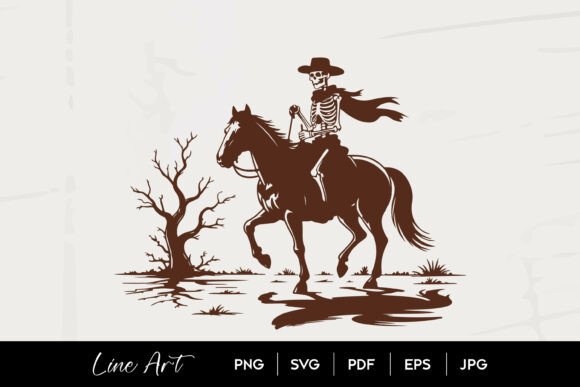
When I first pulled up the Cowboy Grave Digger Line Art on my screen, I didn't just see a digital file; I saw a story waiting to be told through thread. As someone who spends hours hooping fabric and trimming jump stitches, my immediate reaction to any new Illustrations or Graphics is practical: "Will this stitch out cleanly, and will my client love the finished product?" This specific design, with its rugged western theme, offers a compelling mix of nostalgia and edge that fits perfectly into the current trend of rustic and vintage aesthetics.
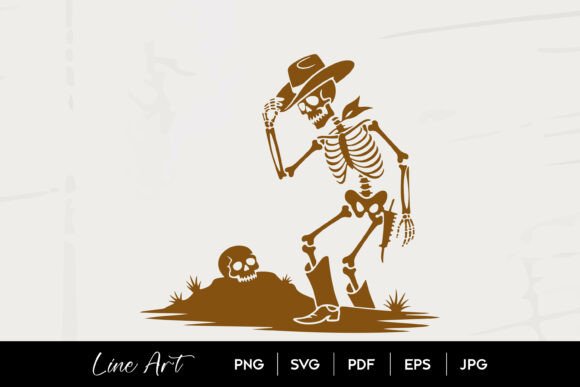
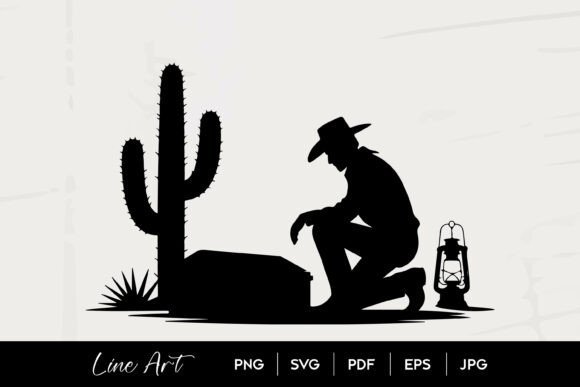
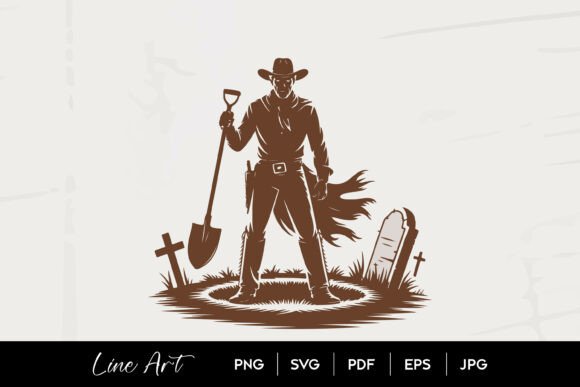
The visual personality of the Cowboy Grave Digger Line Art is distinct. It captures the essence of the Wild West without feeling cartoonish. The silhouette of the cowboy, the shovel, and the tombstone creates a balanced composition that reads well even from a distance. For embroidery designers, this clarity is crucial. A design that looks good on a monitor can sometimes turn into a muddy mess once the needle hits the fabric, but the clean lines here suggest a high level of usability for various embroidery projects.
Real-World Application: The Boutique Sweatshirt Test
To truly evaluate this machine embroidery design, I imagined a real-life scenario that many of us face: a custom order for a local boutique looking for unique custom apparel. They wanted a limited-run series of oversized, heather-grey sweatshirts featuring western motifs. The Cowboy Grave Digger Line Art immediately came to mind as the centerpiece.
In this context, the design shines. The open line work allows the texture of the fleece to show through, preventing the embroidery from becoming too stiff or heavy. If this were a dense fill design, it might crack after a few washes or feel uncomfortable against the skin. However, the line art approach ensures the finished product remains soft and wearable. I could easily picture this stitched in a matte black or charcoal thread to create a subtle, tonal look, or perhaps in a rust-orange to pop against the grey fabric. For an Etsy seller or small shop product creator, this versatility is gold. It appeals to customers looking for something edgy yet classic, perfect for holiday gifts or everyday wear.
Versatility Across Products and Fabrics
Beyond sweatshirts, the potential applications for this digital embroidery file are vast. Because the subject matter touches on themes of the outlaw, cemetery, and rustic life, it fits naturally on:
- Tote bags: A canvas tote with this design makes a great market bag or book carrier.
- Embroidered patches: The clear outlines are ideal for creating iron-on or sew-on patches.
- Kitchen towels: A rustic farmhouse kitchen would welcome this on a linen tea towel.
- Cap embroidery: With the right scaling, it could work on the front panel of a trucker hat.
- Pillow covers: Adding a western touch to home decor.
However, not every fabric is created equal. When working with textured fabrics like waffle weave or heavy denim, the fine details of the shovel handle or the cross on the tombstone need careful attention. On stretchy fabrics, such as those used for baby embroidery or athletic wear, you must be cautious. While the design is simple, any distortion in the fabric during stitching could warp the straight lines of the grave marker. Always test your stitch density and tension on scrap fabric first. If you are aiming for a personalized gift on a delicate item, consider using a cut-away stabilizer to ensure the design holds its shape over time.
Technical Considerations for the Professional Maker
One of the most important aspects of reviewing an embroidery file is understanding what you are actually getting. The product description mentions formats like SVG, PNG, EPS, JPG, and PDF. For machine embroiderers, this is a critical distinction. These formats are primarily vector and raster Graphics suitable for printing, cutting machines, or digitizing from scratch. They are not inherently machine embroidery design files (like DST, PES, or XXX) unless specified otherwise.
If you are a digitizer, this Cowboy Grave Digger Line Art serves as an excellent base. The clean vectors make it easy to trace and assign stitch types. You might choose a running stitch for the outlines to maintain that sketch-like quality, or perhaps a narrow satin stitch if you want the lines to have more body and shine. If you are not a digitizer, you will need to convert these design assets or hire someone to do so before they can be stitched on your machine. Never assume a PNG or SVG will open directly in your embroidery software as a stitch file.
For those planning to use this for commercial embroidery projects, checking the license is non-negotiable. The description hints at "ret" (likely retail or commercial use), but you must verify the specific terms. Can you sell the stitched item? Can you sell the digitized file? Clarifying this protects your craft business and builds customer trust. Nothing damages a brand faster than unintentional copyright infringement.
Enhancing Visual Appeal and Brand Value
The mood created by the Cowboy Grave Digger Line Art is one of rugged individualism. When executed well, it elevates the perceived value of the item. A plain t-shirt becomes a statement piece; a generic tote becomes a conversation starter. For creative entrepreneurs, consistency is key. If your brand focuses on western, vintage, or outdoor themes, this design reinforces your identity. It shows attention to detail and a curated aesthetic.
When presenting this in printable mockups for your online store, pay attention to thread color contrast. On dark fabrics, a light thread color will make the design pop, while on light fabrics, a dark thread provides definition. Avoid using too many colors; the strength of this design lies in its simplicity. A monochromatic approach often looks more professional and timeless than a rainbow of threads.
In conclusion, the Cowboy Grave Digger Line Art is a strong contender for anyone looking to expand their western-themed catalog. Its clean lines, evocative subject matter, and adaptability make it a valuable asset for handmade products. Whether you are digitizing it yourself for a complex applique design or using it as a print reference, the potential for creating high-quality, sellable items is significant. Just remember to respect the technical limitations of your materials, verify your file formats, and always stitch a test sample. That extra step ensures that every finished product leaving your studio meets the high standards your customers expect.