Cute Panda Eating Donut: A Designer's Review
As someone who spends more time staring at stitch maps than most people care to admit, I approach new design assets with a mix of excitement and skepticism. We all know the feeling: you find an adorable graphic online, imagine it perfectly stitched on a toddler's hoodie, only to realize later that the details are too fine for the thread or the density is a nightmare on stretchy fabric. That is why I took a close look at the Cute Panda Eating Donut illustration before committing it to any real-world embroidery project. This isn't just about whether it looks cute on a screen; it is about whether it survives the transition from a digital Graphics file to a tangible, washable handmade product.
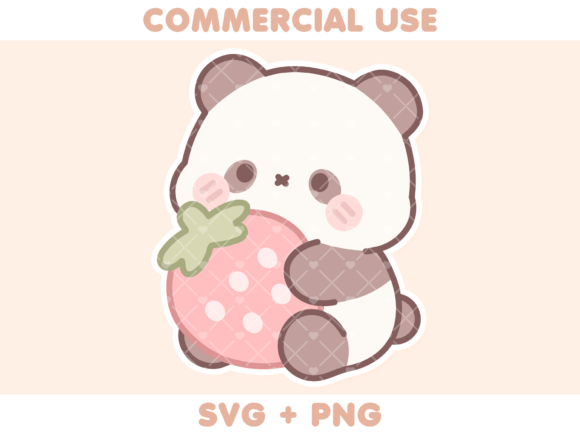
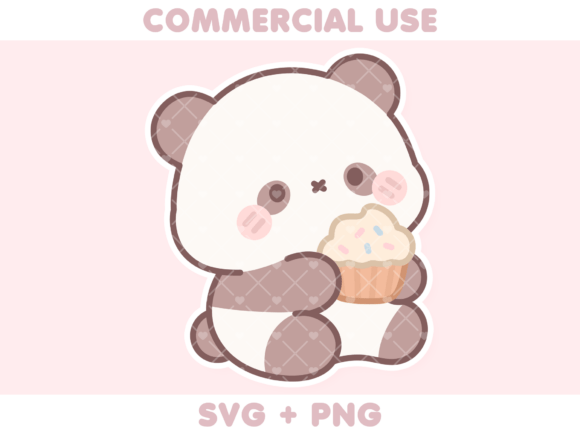
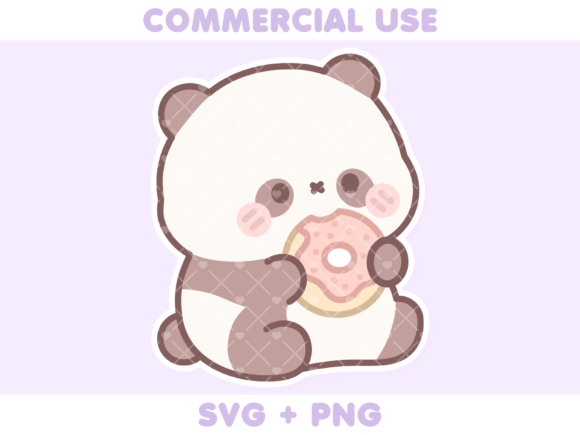
The first impression of this design is undeniably charming. The soft pastel kawaii style creates an immediate sense of warmth and playfulness. When I opened the high-quality PNG included in the package, the lines were crisp, and the 300 DPI resolution meant there was no pixelation when I zoomed in to inspect the edges. For an embroidery designer, this clarity is crucial. It allows us to trace the image accurately or use it as a reference for creating a machine embroidery design without guessing where one color ends and another begins. The visual personality here is gentle and inviting, making it a perfect candidate for items meant to bring joy, like nursery decor or boutique children's apparel.
Real-World Application: The Tote Bag Test
To truly evaluate the potential of Cute Panda Eating Donut, I imagined a specific scenario: a custom order for a local coffee shop wanting branded tote bags. They needed something that felt artisanal but not overly corporate. This design fits that brief perfectly. The concept of a panda enjoying a treat aligns well with the cozy vibe of a café. However, translating this Illustrations file into a stitched reality requires careful planning.
If I were digitizing this myself or sending it to a digitizer, the donut offers a fantastic opportunity for creative stitch types. The glaze on the donut could be rendered with a glossy satin stitch to mimic shine, while the panda's fur might benefit from a softer fill stitch with a slightly lower density to keep the hand of the fabric soft. The white outline version mentioned in the product description is particularly clever. In a real production environment, having a version with a built-in white border can save hours of manual underlay work, especially if the final finished product is being stitched onto dark navy or black canvas totes. It ensures the pastel colors pop without the background fabric muddying the design.
Fabric Considerations and Stitching Clarity
One of the biggest challenges with kawaii-style art is maintaining the integrity of the shapes on different materials. On a sturdy cotton twill or a structured tote bag design, this image would likely stitch out beautifully. The defined shapes of the panda and the donut are distinct enough to hold their form. However, caution is needed when moving to trickier substrates. If you are attempting sweatshirt embroidery on a fuzzy fleece, the fine details of the panda's eyes or the sprinkles on the donut might get lost in the pile of the fabric.
For baby embroidery, which often involves thin, stretchy knits, the stitch density becomes a critical factor. A design that is too dense can cause puckering or make the garment stiff and uncomfortable against sensitive skin. Before running a production batch, it is essential to test the design on scrap fabric that matches your final material. You need to verify that the stabilizer you choose is robust enough to support the weight of the threads without distorting the circular shape of the donut or the roundness of the panda's head. Curved surfaces, like caps, also present a challenge; the compression of the hoop can squash the design, so checking the aspect ratio after stitching is a mandatory step.
Commercial Viability for Small Shops
For Etsy sellers and owners of small shop products, the commercial appeal of Cute Panda Eating Donut is high. The universal love for pandas combined with the trendy food theme makes it a versatile seller. It works exceptionally well for seasonal pushes—think holiday embroidery gifts for Valentine's Day (sweet treats) or back-to-school items. The aesthetic is gender-neutral enough to appeal to a broad customer base, increasing the potential reach of your listings.
When using this as a printable mockup for your online store, the transparent background PNG is a goldmine. It allows you to place the design on various product photos without unsightly white boxes, giving customers a realistic preview of what the custom apparel or accessory will look like. This level of professionalism builds buyer engagement and trust. Customers are more likely to purchase when they can clearly visualize the personalized gift they are ordering.
Practical Notes for the Embroiderer
Before you start stitching, there are a few housekeeping items to address to ensure your craft business runs smoothly. First, always confirm the licensing terms. While the product includes high-quality files for illustration purposes, using them as a basis for a digital embroidery file that you sell or using the stitched result for commercial gain may have specific restrictions. Never assume; always check the license agreement provided by the creator.
Secondly, pay attention to thread color contrast. The pastel palette suggested by the illustration is lovely, but on certain fabric textures, low-contrast threads can make the design look washed out. I recommend pulling physical thread spools and holding them against your chosen fabric under natural light. Sometimes, swapping a pale pink for a slightly deeper rose can make the difference between a design that disappears and one that dazzles.
Finally, consider the scale. Kawaii designs often rely on cuteness derived from proportion. If you shrink this design too much to fit a small hoop size, you risk losing the definition of the donut sprinkles or the panda's expression. Conversely, blowing it up too large might expose the limitations of the original line work if you are tracing it manually. Finding the "Goldilocks" size where the running stitch outlines remain smooth and the fill areas look solid is key to a professional result.
In conclusion, Cute Panda Eating Donut is a delightful asset that holds significant promise for creative entrepreneurs. Its strength lies in its adaptable, friendly aesthetic that translates well across various mediums, from embroidered patches to kitchen towels. However, its success in a real-world setting depends entirely on the skill of the maker to adapt the graphic to the physical constraints of thread and fabric. With proper testing, the right stabilizer, and a keen eye for detail, this design can become a standout piece in any portfolio, delighting customers and adding a touch of whimsical charm to everyday items.