Cute Panda Holding Teddy Bear: A Designer's Review
As a designer who spends more time staring at stitch simulations than most people care to admit, I approach every new Illustrations asset with a mix of excitement and skepticism. We have all been there: a design looks perfect on the screen, but once it hits the hoop, the details vanish into a blob of thread. That is why I took a close look at the Cute Panda Holding Teddy Bear graphic before committing it to a real-world embroidery project. This isn't just about whether it is cute; it is about whether it holds up under the needle and delivers value to a craft business or a personal maker.
First Impressions: Mood and Visual Personality
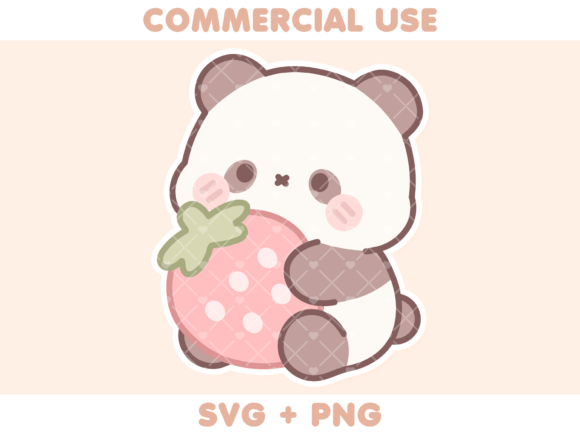
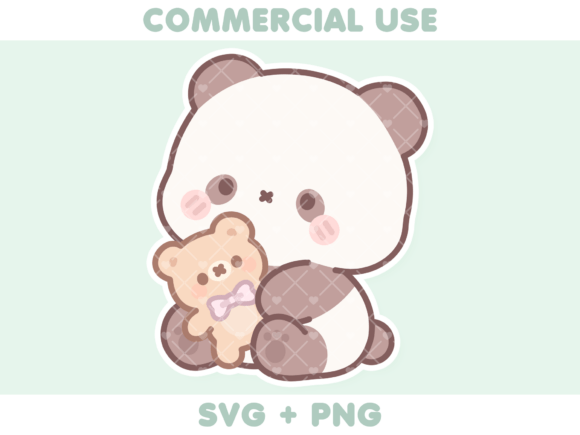
The first thing that strikes you about the Cute Panda Holding Teddy Bear is its undeniable charm. The soft pastel kawaii style creates an immediate sense of warmth and nostalgia. It feels less like a rigid digital file and more like a hand-drawn illustration waiting to be brought to life. For those of us creating handmade products, mood is everything. This design exudes a gentle, comforting vibe that fits perfectly into the current trend of cozy, whimsical aesthetics.
From a layout perspective, the composition is balanced. The panda holding the teddy bear creates a natural focal point without feeling cluttered. The shapes are distinct enough to suggest that, with the right digitizing, this could translate beautifully into a machine embroidery design. However, because the source file is a high-quality PNG rather than a pre-digitized embroidery file, the responsibility falls on the designer to interpret these lines into stitches. The clean lines and lack of excessive noise in the original Graphics file make this interpretation process much smoother.
Real-World Application: The Baby Shower Scenario
To truly test the viability of this design, I imagined a specific client request: a custom baby embroidery set for a high-end baby shower gift. The client wanted a personalized blanket and a matching bib featuring a neutral, gender-neutral theme. The Cute Panda Holding Teddy Bear was the immediate contender.
In this scenario, the design shines. The subject matter—a panda hugging a bear—is universally appealing and avoids specific gender coding, making it a versatile asset for any Etsy seller or boutique owner. When visualized on a soft minky blanket or a structured cotton bib, the kawaii style adds a touch of playfulness that parents love. The "white outline" version included in the package is particularly clever here. On darker fabrics, such as a navy blue sweatshirt or a charcoal grey onesie, that white border acts as a built-in underlay or backing, ensuring the design pops without needing complex manual editing.
For a small shop product line, this image could easily become a signature motif. Imagine a series of tote bag design options where the panda appears on canvas, or perhaps as an embroidered patch sewn onto denim jackets. The versatility allows a creative entrepreneur to stretch one asset across multiple revenue streams, from custom apparel to home decor.
Technical Considerations for Stitching
While the visual appeal is high, translating a raster image like this into a finished product requires technical foresight. Since the download includes PNG files (one transparent, one with a white outline) at 300 DPI, you are working with an image that needs digitizing. You cannot simply load this into your machine unless you have software that auto-digitizes, and even then, manual tweaking is usually required for professional results.
If you are converting this into a fill stitch or satin stitch pattern, pay close attention to the stitch density. The soft pastel colors in the original illustration suggest light coverage, but embroidery thread behaves differently than ink. Areas with subtle shading in the PNG might need careful color blending or a reduction in density to prevent the fabric from puckering. This is especially critical if you are working on stretchy fabric like jersey knits for t-shirts or sweatshirt embroidery.
Another crucial factor is the hoop size. The level of detail in the panda's face and the teddy bear it is holding means this design might not scale down well. If you attempt to shrink it for a small pocket on a cap or a tiny corner of a handkerchief, the facial features could merge. I recommend testing the design on scrap fabric first, specifically checking the smallest details. If the eyes or the hug between the two characters turn into a solid mass of thread, you may need to simplify the digitizing or increase the overall size.
Fabric and Stabilizer Choices
The success of the Cute Panda Holding Teddy Bear also depends heavily on your choice of fabric texture and stabilizer. For a plush look that matches the kawaii aesthetic, a soft cotton or fleece works wonders. However, if you are aiming for a crisp, defined look, a tighter weave linen or canvas is better. Always match your stabilizer to the fabric weight; a cut-away stabilizer is often safer for items that will undergo frequent washing, like baby clothes or kitchen towels, to maintain the shape of the design over time.
Be cautious with dark fabrics if you are not using the white outline version. Without it, the pastel tones of the panda might get lost against a black background unless you use a bright white underlay stitch. This is where reviewing the design in black and white mockups beforehand can save you from a stitching disaster.
Commercial Value and Brand Consistency
For commercial embroidery projects, consistency is key to building customer trust. The Cute Panda Holding Teddy Bear offers a consistent visual language that can help define a brand's identity. Whether used on a pillow cover, an apron, or a holiday gift tag, the recognizable silhouette helps buyers instantly identify your work. In the crowded marketplace of digital embroidery file sellers and handmade goods, having a cohesive set of designs that share a similar artistic DNA—like this soft, pastel style—can significantly boost buyer engagement.
Furthermore, the "giftability" factor of this design is off the charts. It fits seamlessly into categories for holiday embroidery, wedding gifts for expecting couples, or just a thoughtful personalized gift for a friend. The emotional connection people have with pandas and teddy bears translates directly into perceived value. A customer is often willing to pay more for a handmade product that evokes such a specific, heartwarming feeling compared to a generic geometric pattern.
Final Verdict and Designer Notes
The Cute Panda Holding Teddy Bear is a standout asset for designers looking to add a touch of whimsy to their portfolio. Its strength lies in its adaptable mood and strong compositional balance. However, because it is provided as a high-resolution illustration rather than a ready-to-stitch file, it demands a skilled hand to convert it into a flawless applique design or standard embroidery pattern.
Before launching this into your craft business, remember to check the licensing terms carefully. Ensure that the license allows for commercial use if you plan to sell finished items or printable mockup previews. Always verify the thread colors against your physical inventory to ensure the pastel shades match the digital preview, as monitor calibration can vary. Finally, never skip the test stitch. Run the design on a scrap piece of your intended fabric to confirm that the stitch density and detail retention meet your standards.
When executed with care, this design has the potential to be a bestseller in your small shop product lineup, bringing joy to customers and adding a professional, polished look to your finished product offerings. It is a reminder that sometimes the best design assets are the ones that leave just enough room for your own creativity to shine through the stitching process.